Existing Roof Surface
Mosques and schools already provide large roof areas in dense kampung neighbourhoods. RainBank uses this existing surface instead of requiring new land or new buildings.
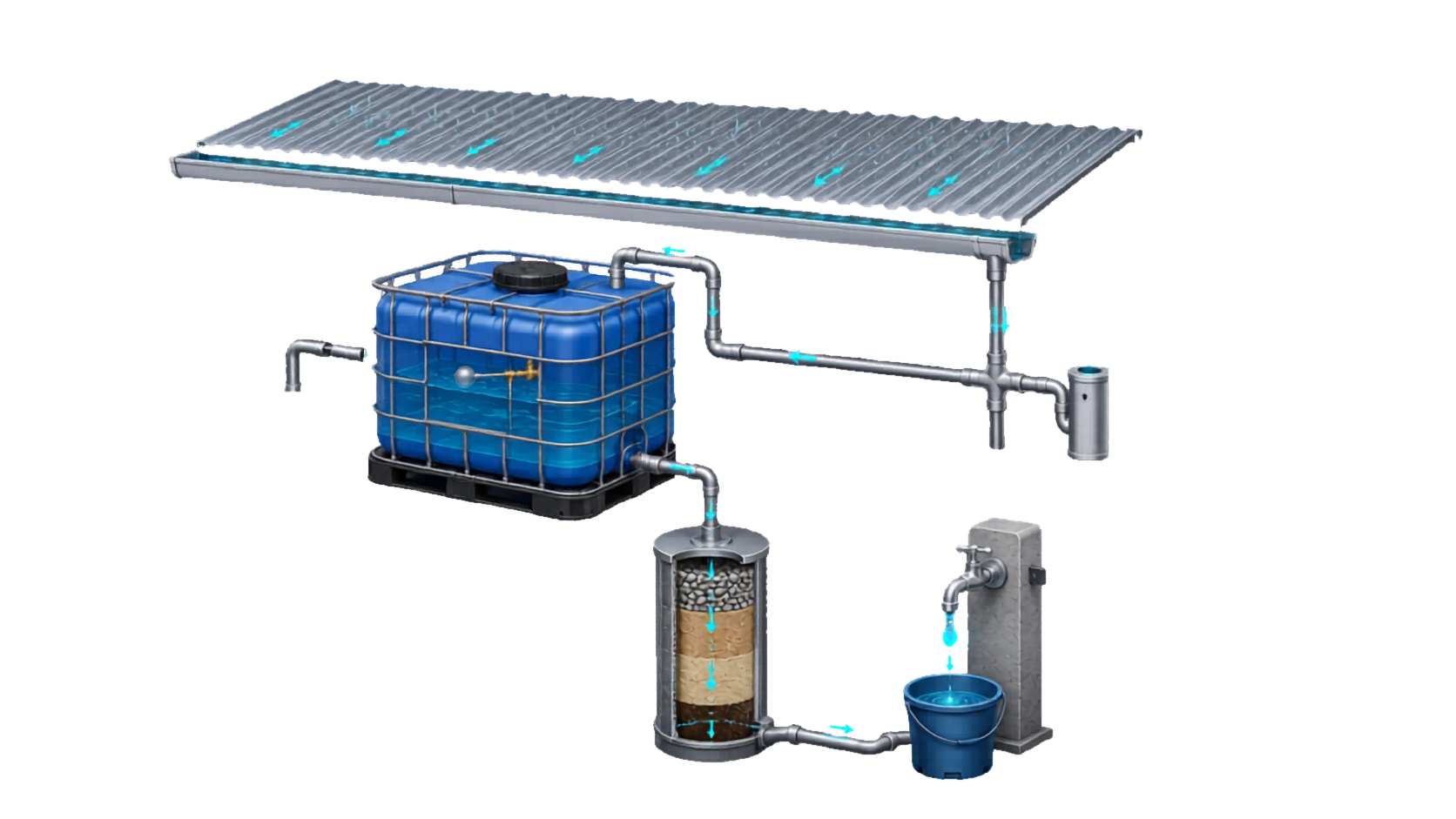
A RainBank Hub is a low-tech community system for collecting, storing, and distributing rainwater for non-potable daily use.
RainBank uses existing community infrastructure — usually a mosque or school roof — to collect, store and distribute harvested rainwater for selected non-potable uses such as washing, cleaning, toilet flushing and community facility needs.
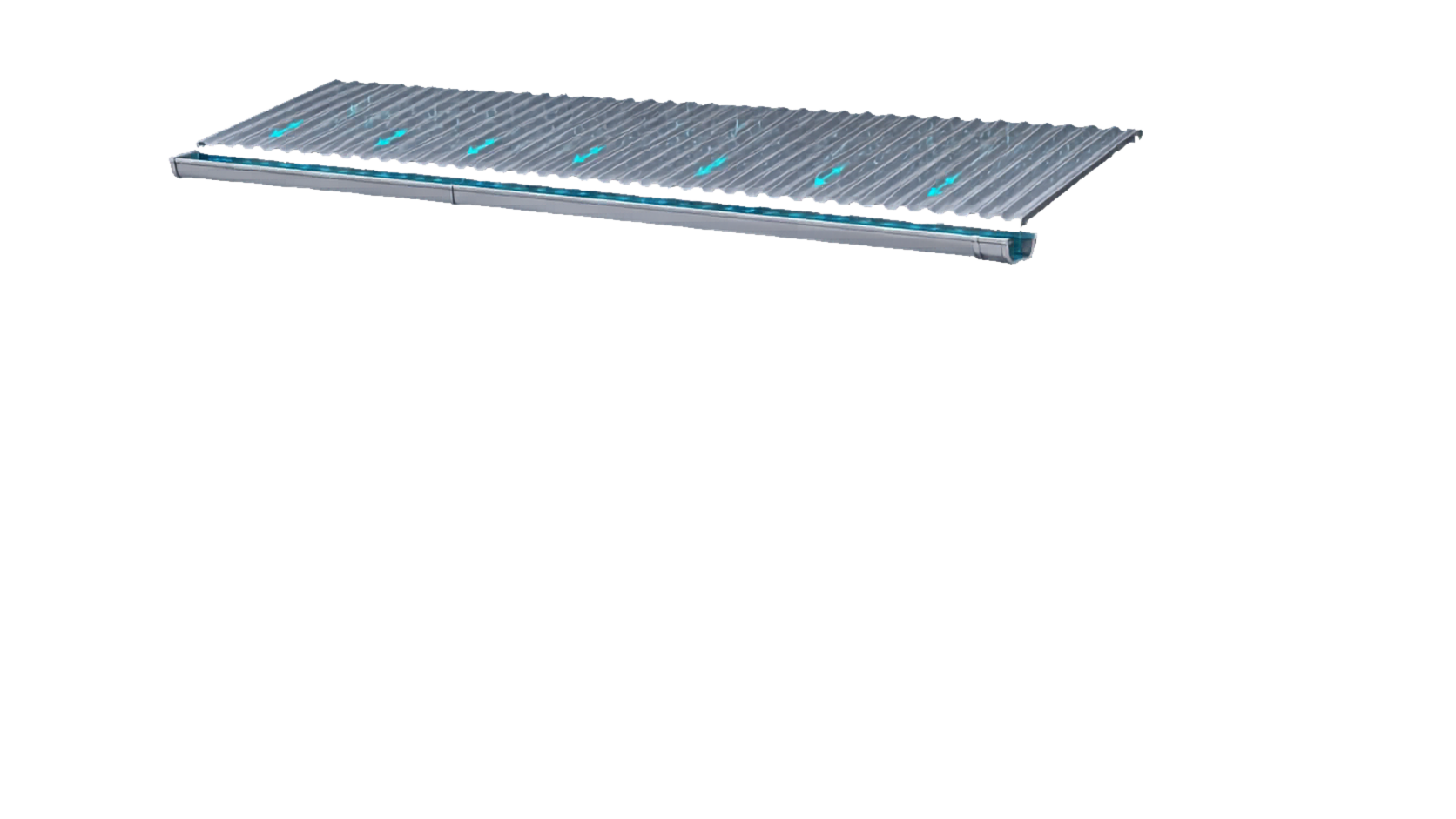
Mosques and schools already provide large roof areas in dense kampung neighbourhoods. RainBank uses this existing surface instead of requiring new land or new buildings.
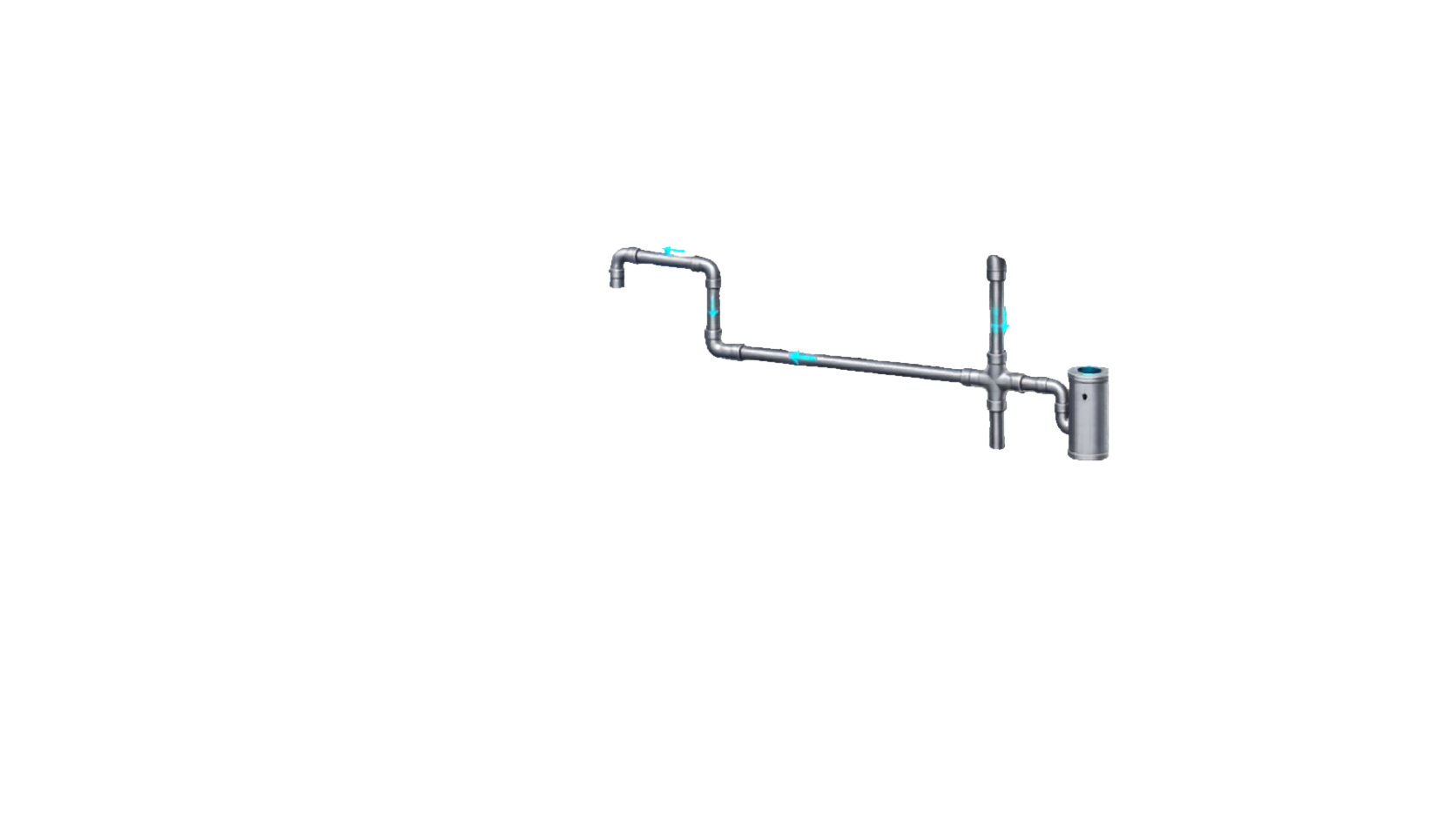
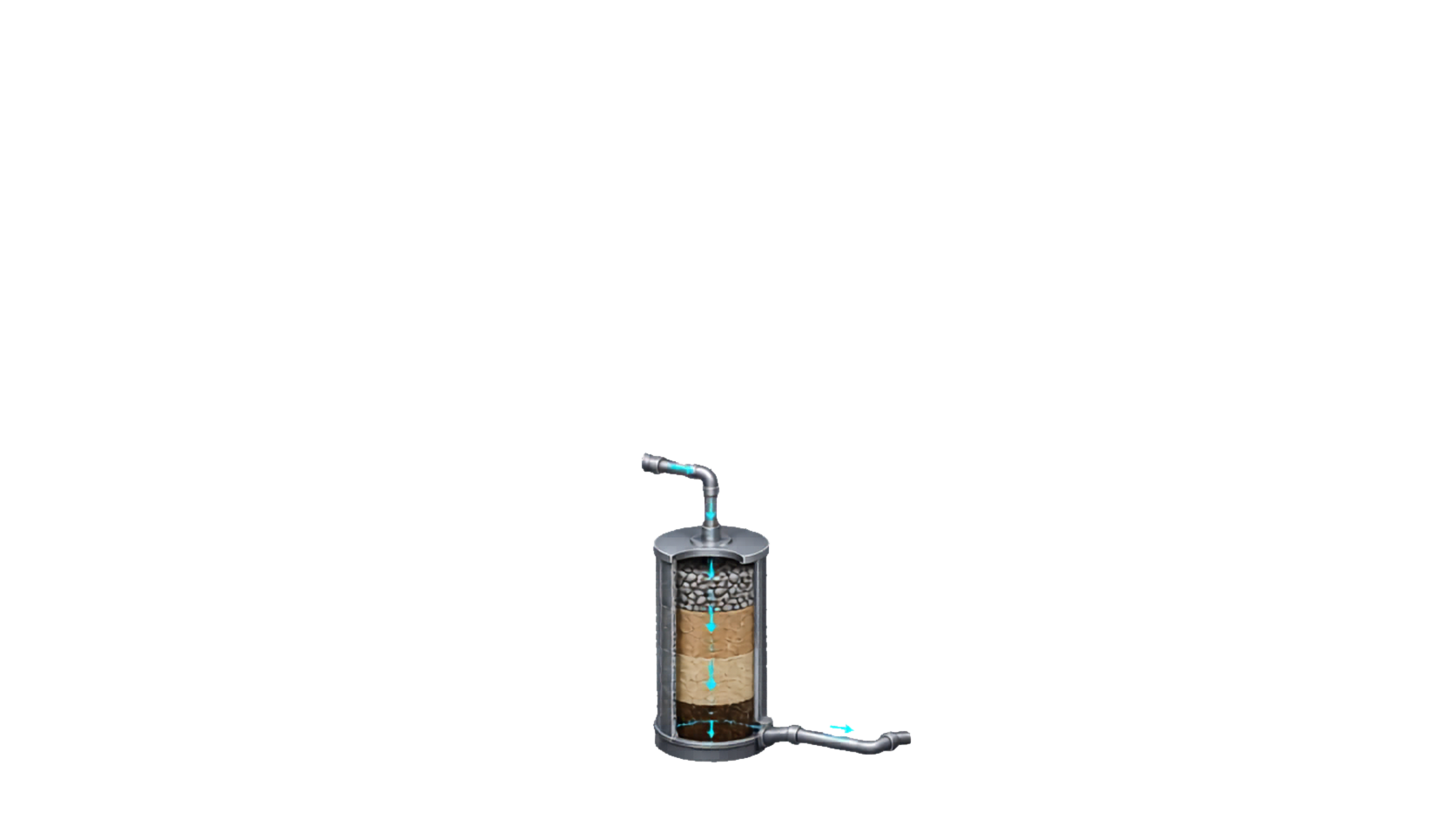
Simple gutters collect runoff. A first-flush diverter sends the first dirty rainwater away before water enters the storage system.
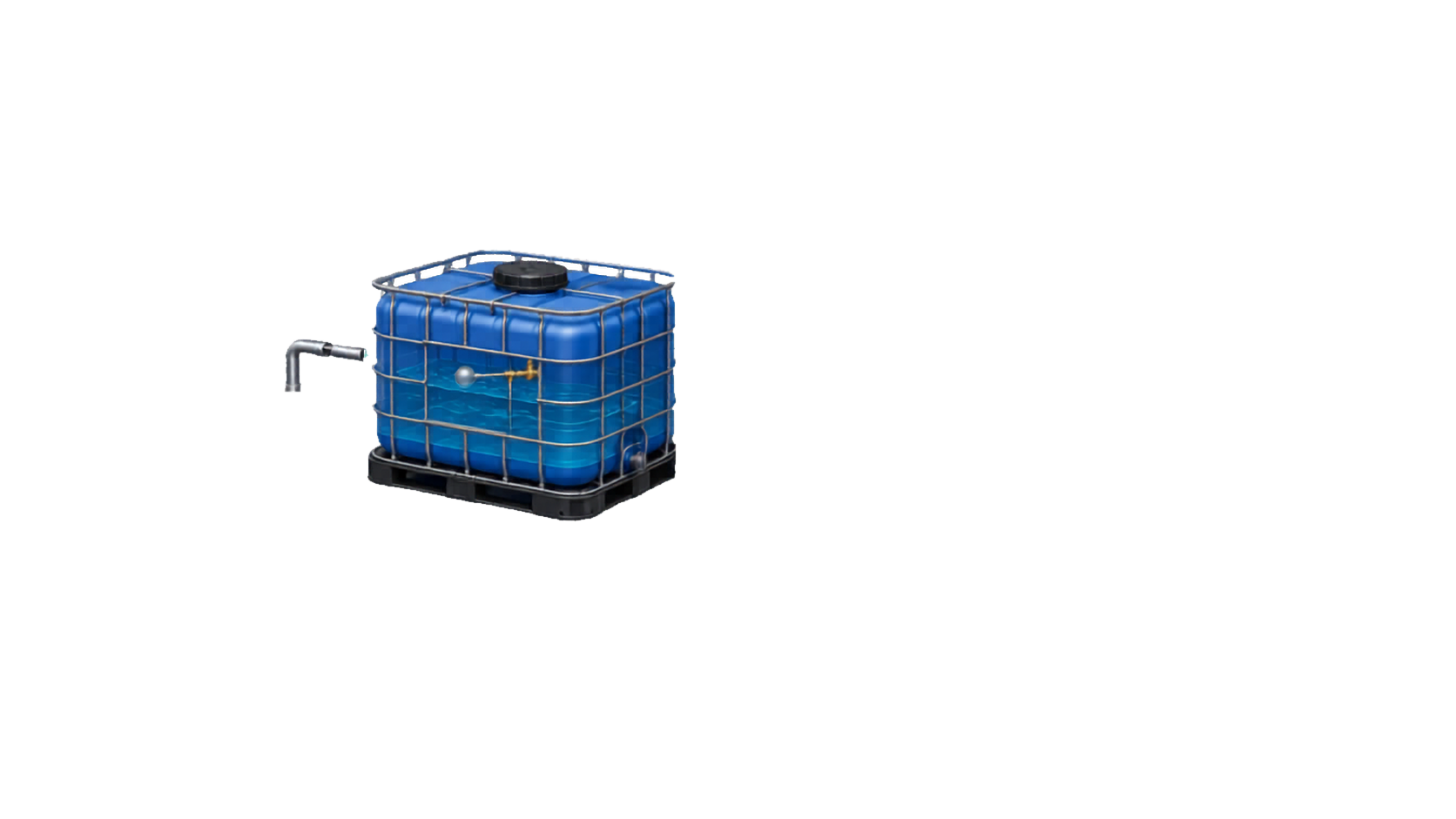
Locally available IBC tanks store harvested rainwater. Capacity can be adjusted to the site, available space and seasonal rainfall.
A low-tech settling and sand/carbon filtration stage reduces sediment, colour and odour. The pilot is designed for non-potable water uses, not as a drinking-water replacement.
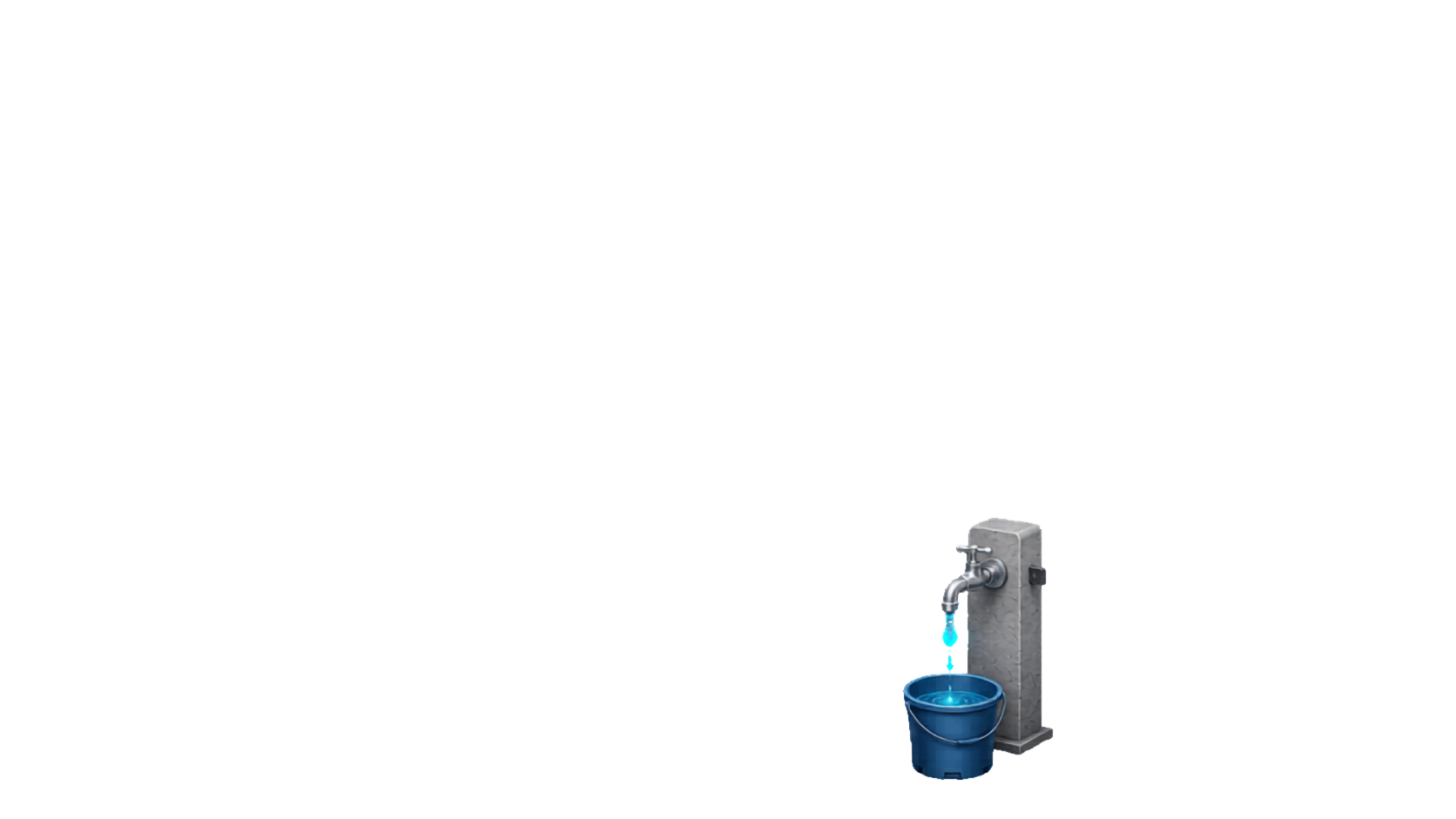
Residents access water through a supervised refill point. A trained local operator manages usage, cleaning, basic checks and reporting.
The goal is not to replace Jakarta’s full water network. The goal is to reduce part of the daily groundwater demand that contributes to land subsidence.
Jakarta's roughly 2,000mm annual rainfall is captured from a large mosque or school roof. A 300m² roof can theoretically provide about 450,000 litres per year at 75% collection efficiency.
Screens remove leaves and larger debris. The first-flush diverter channels the initial dirty runoff away before water enters storage.
Multiple IBC tanks store the collected water. Capacity is sized to the pilot site, with a focus on partial non-potable demand replacement rather than full household supply.
Water passes through a low-tech settling and sand/carbon filtration stage. Output is intended for non-potable use such as showers, washing, cleaning, and toilet flushing.
The operator keeps tanks covered, cleans screens, checks clarity and odour, and records maintenance. Any future drinking-water upgrade would require separate treatment and testing.
Residents use a membership or pay-per-fill model for selected non-potable water needs. The operator logs daily usage for service and impact reporting.
RainBank does not claim to supply all household water demand year-round. The pilot offsets selected non-potable demand during rainy and high-availability periods, with dry-season output reduced or supported by stored buffer and optional licensed bulk-water supply.
Roof collection is highest. The hub prioritises showers, washing, cleaning, toilet flushing, and mosque or school use. Extra water can be stored as a short-term buffer.
Output is reduced to match available storage. Where needed, a hub can add licensed bulk-water support for non-potable service continuity, clearly separated from harvested rainwater reporting.
Key Principle
The hub is designed as demand replacement, not full supply. Its value is measured by how much groundwater pumping it can avoid for daily non-drinking uses.
Every kampung in Jakarta has a mosque — and most have a school. These buildings have the largest roof surfaces in the neighbourhood: typically 200–500m².
They are also the most trusted institutions in the community. Past rainwater projects in Jakarta failed due to community distrust. Anchoring RainBank to a mosque eliminates that barrier.
No new buildings needed. No land acquisition. No permits for large-scale infrastructure. Just gutters on an existing roof — and a tank in the courtyard.
See the Impact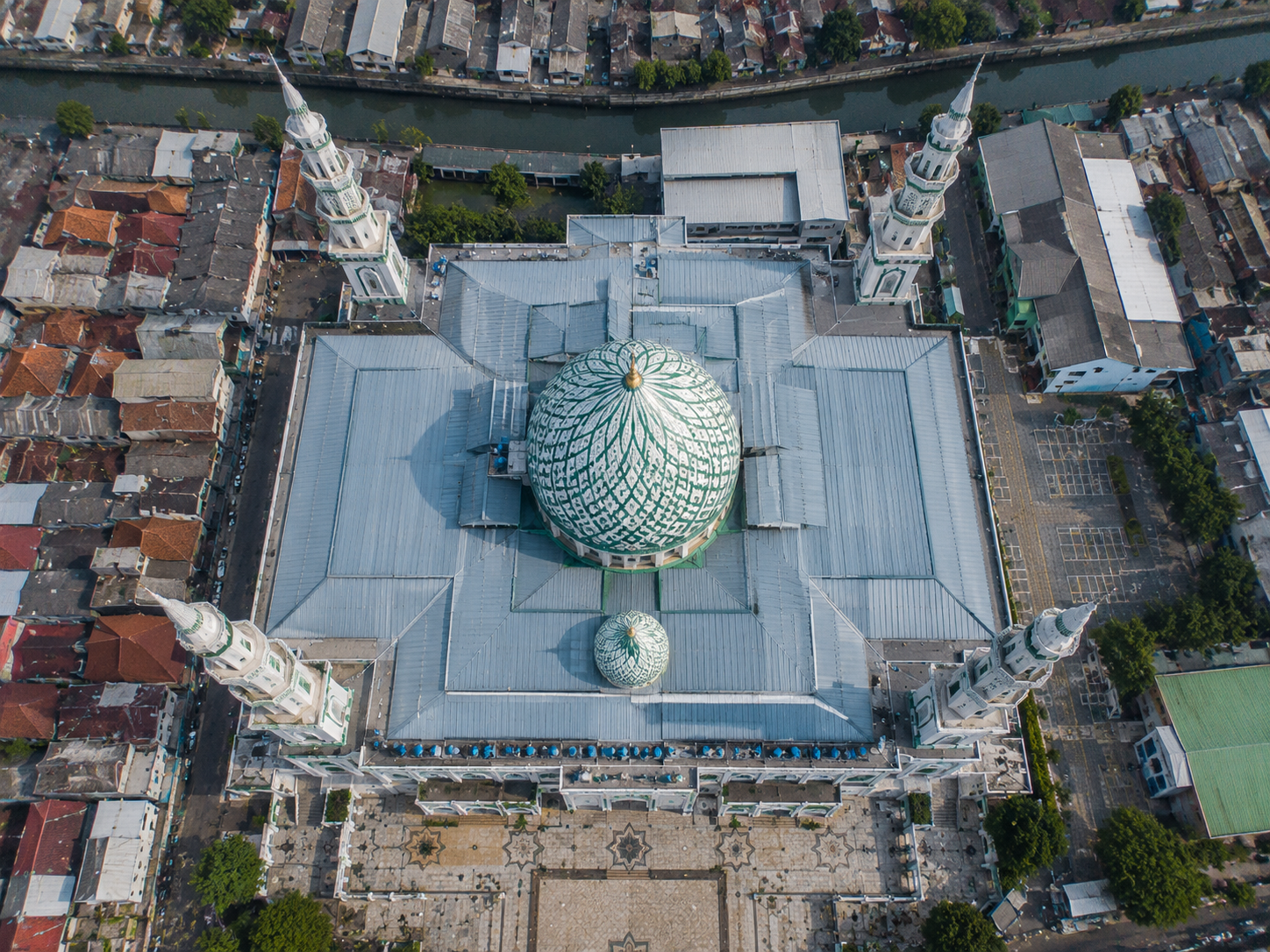
Each operator completes basic training in tank cleaning, filter maintenance, usage logging, simple water checks, and bookkeeping.
Operator pay is funded from hub revenue. The exact salary is treated as a pilot assumption and adjusted to local workload and revenue performance.
Operators are recruited locally and accountable to the host institution and residents. Public logs make performance and maintenance visible.
RainBank is not positioned as a replacement for household drinking water. Drinking water remains sourced through existing safe channels.
The pilot offsets selected non-potable uses during rainy and high-availability periods. It does not promise 80L per household per day year-round.
The concept focuses on groundwater demand reduction and practical access for washing, cleaning, sanitation, and community use.